
What my Pentecostal childhood taught me about faith, women, and making room.
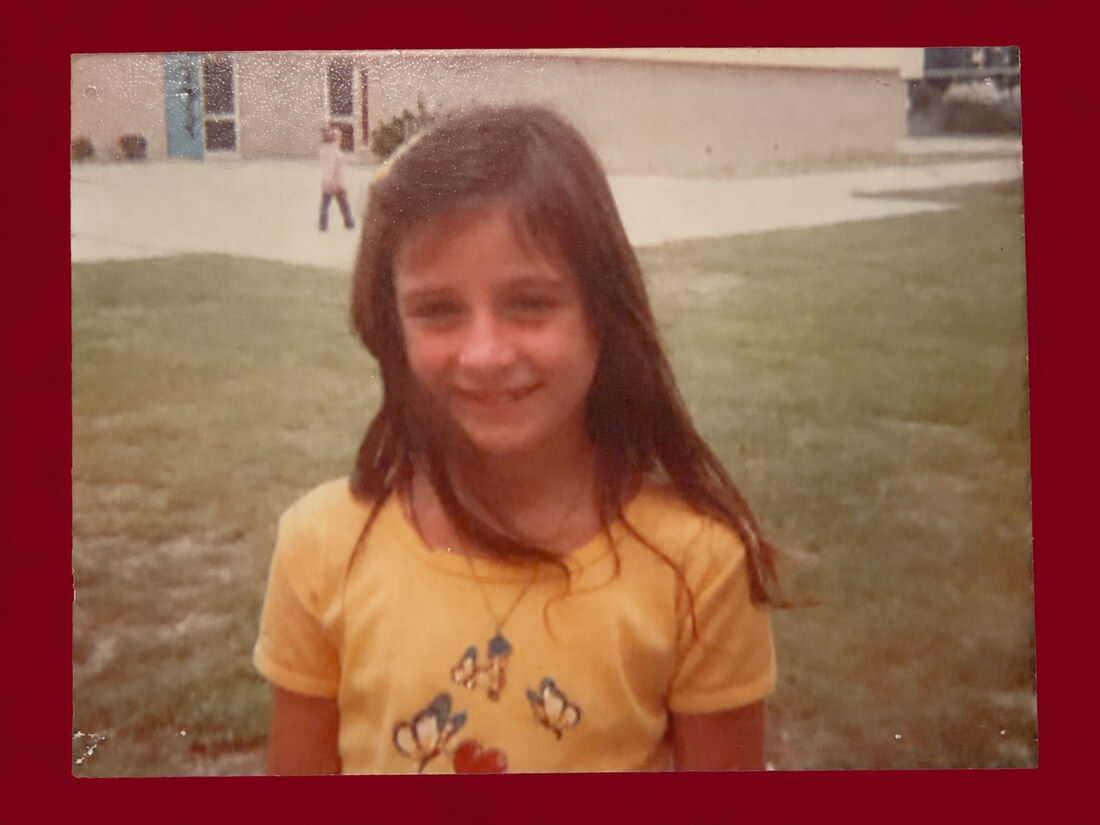
At six years old, I already had a congregation.
I was in the first grade when I climbed to the top of the dome-shaped monkey bars during recess. Three boys from my class climbed up with me, and I began telling them about the sermon I had heard the previous Sunday.
They listened.
They asked questions.
And, of course, me being me, I answered every one of them. I have no idea whether I gave them the right answers, but that did not stop me.
I was so absorbed in preaching that I missed the teacher calling us back inside. All four of us were late returning from recess. Our punishment was writing, “I will not be late from recess,” one hundred times.
That may have been my first lesson in leadership accountability.
At that age, it had never occurred to me that preaching might be something girls were not supposed to do. I had something to say, the boys were listening, and the top of the monkey bars looked like a perfectly good pulpit.
The Church That Raised Me
I grew up Pentecostal.
My grandfather, Reverend Charlie Parker, was a Pentecostal preacher. He was Mama Rose’s dad. To me, he was Papa. The church and his preaching were part of the rhythm of my childhood.
I was his granddaughter, and he always made me feel special.
Live Oak Church of God was our home church. When Papa was not pastoring a church of his own, that was where we returned. When he received an assignment, including the Day Church of God in the early 1980s, we went with him.
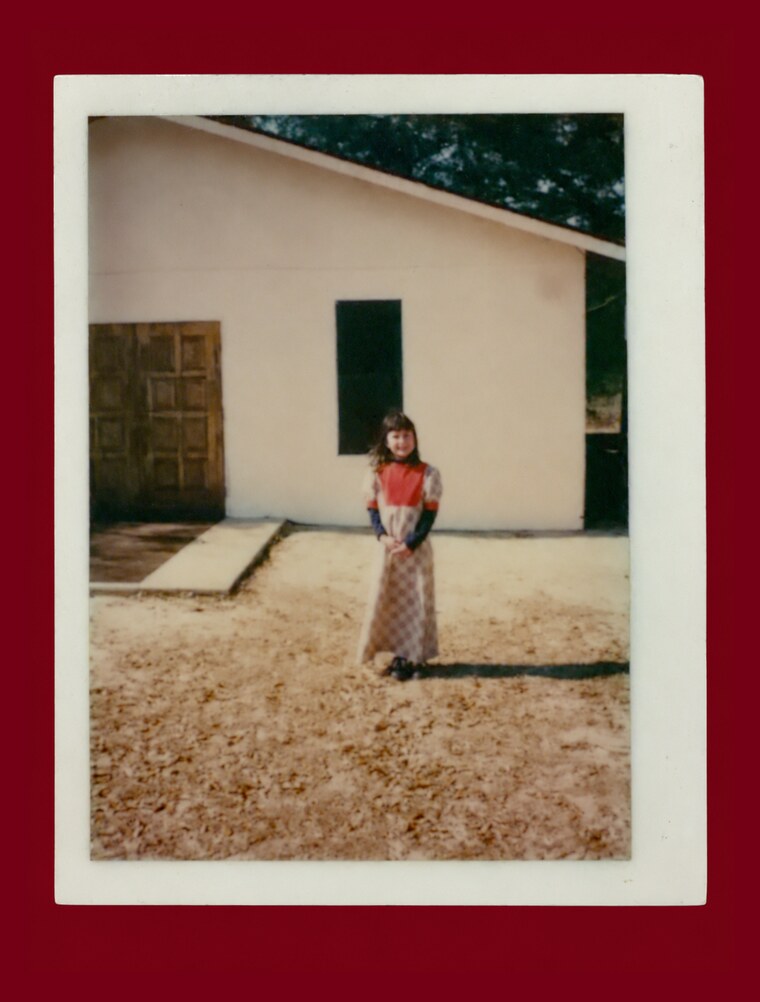
I have an old Polaroid of myself standing outside the Day Church of God. I was younger than ten and wearing a long dress my grandmother had sewn for me. I cannot remember exactly how old I was, but I remember the woman who made the dress and the church that stood behind me.
All the preachers I saw growing up were men. Their wives seemed to fit a familiar mold. They dressed plainly, raised a house full of children, and quietly carried much of the church on their backs.
They ran Bible studies. They visited the sick. They counseled the women who came to them when life fell apart. They organized, comforted, taught, prayed, cooked, raised children, and protected the reputation of their families.
The men preached.
The women pastored.
But the pastor’s name was on the church sign. His wife’s name was not.
No one needed to announce that preaching was not a woman’s role. We understood it because, in the churches I knew then, we never saw a woman become the first one to do it.
Women preach in Church of God congregations today, and that progress matters. But this is a story about the church I experienced as a child. At that time, every preacher I saw was a man. The absence taught us something long before anyone put the rule into words.
Even the instruments seemed to have assigned gender roles. Women played the piano. Men played the guitar and drums. Women helped create the worship experience, but men occupied its most visible spaces.
The Hair Changed
My earliest memories include strict expectations for women. Long dresses. No makeup. Hair piled high on their heads in what looked like beehives.
The culture began to change during the 1980s. Women started wearing heels and makeup. Their hair became big, poofy, and fashionable.
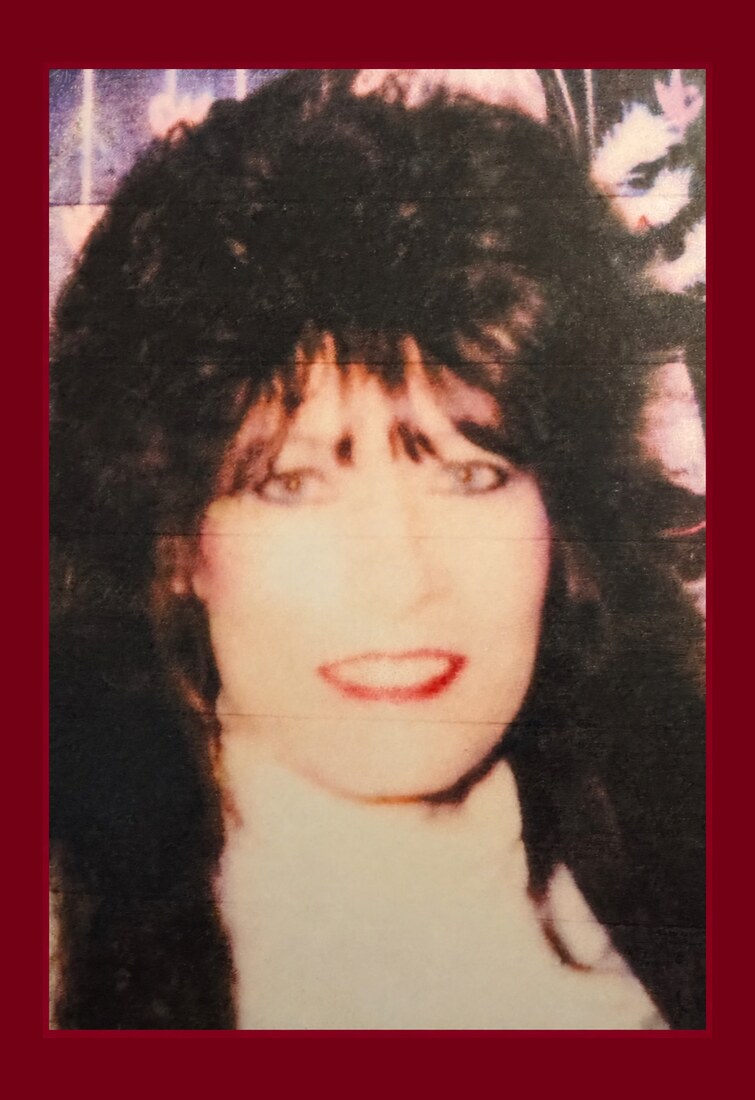
I have a picture of Mama Rose from that period. She has dramatic dark hair, eyeliner, red lipstick, and earrings. She looks glamorous, confident, and unmistakably 1980s.
The women changed.
The hair changed.
The shoes changed.
The makeup changed.
But in the churches I knew, I still did not see women preaching, and the recognition did not change.
The sign still carried a man’s name.
Page 333
All the girls in my church took piano lessons. Papa even bought me a piano so I could practice.
My grandmother could sit down and play by ear. She played every Sunday at whatever church they attended.
I was talented differently. I am not an auditory person. I am visual. I could not simply sit down and play whatever I heard, but put sheet music in front of me and I could read it like nobody’s business.
My favorite hymn was “I’ll Fly Away.” It was on page 333 of the hymnal. Decades later, I still remember the exact page number.
If I asked Papa, he would have my grandmother play it at the beginning of the service. I could not sing a lick, but he still let me stand onstage beside her and sing it every Sunday.
And while we performed, Papa sat on the front row and watched us.
The preacher stepped away from the pulpit. His wife played the piano. His granddaughter stood beside her and sang the same song one more time.
Before I understood what it meant to have a seat at the table, Papa made one for me.
He did not merely tell me I was special. He moved over and made room for me.
Papa died when I was eleven. I did not get decades with him, but I had enough time to learn what it felt like to be seen. Long before I had language for leadership or a seat at the table, he showed me that making room for someone could be as simple as leaving the pulpit, sitting on the front row, and watching her use her voice.
Faith Traveled With Us
Even our annual vacations to the Smoky Mountains included a visit to the Church of God International Offices in Cleveland, Tennessee.
Papa collected materials there to take back and use in his church. To him, it felt like holy ground.
My cousins and I received a serious talking-to before we entered. We were to behave, remain quiet, and listen. Children were to be seen and not heard.
It makes me laugh now. At the denomination’s headquarters, I had been instructed to stay quiet in the presence of authority. Away from all that authority, I had already turned the playground monkey bars into a pulpit of my own.
Wimauma
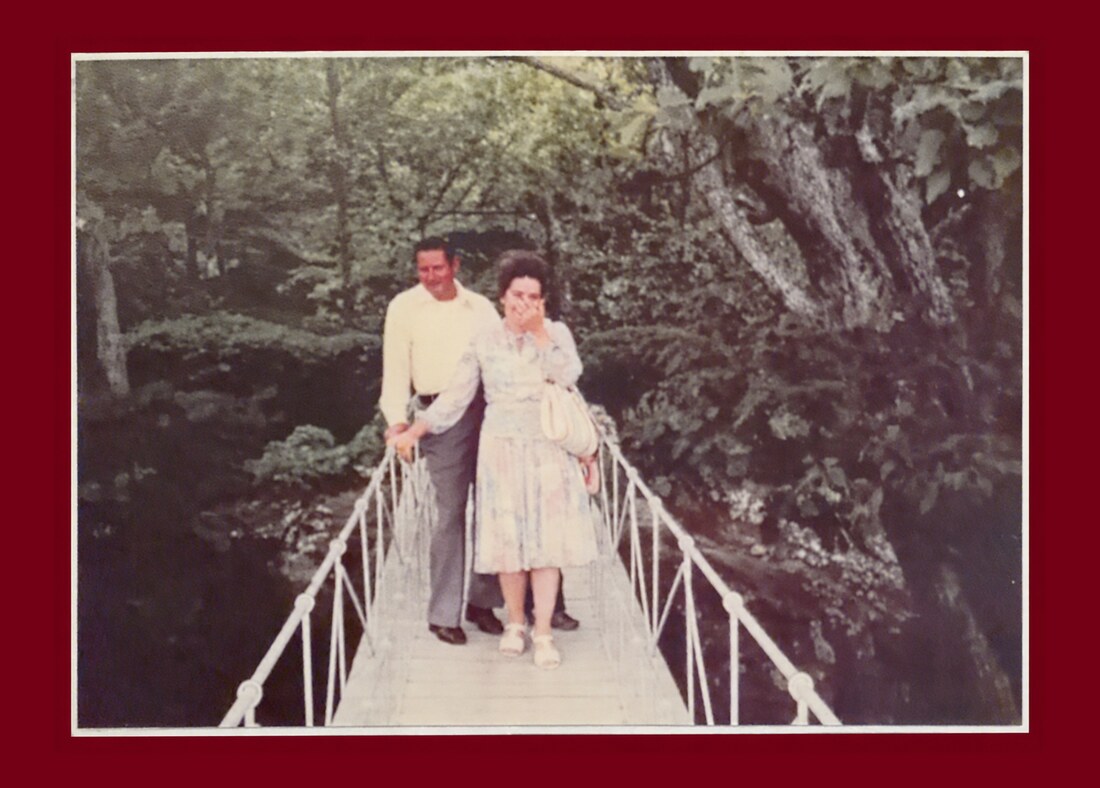
My grandparents had a cabin at the Church of God campgrounds in Wimauma, Florida. Camp meeting lasted an entire week.
The services were held in a tabernacle, and it was hot. Fans were eventually installed, but the men still wore long-sleeved button-down shirts, suits, and ties in the oppressive Florida heat.
There was singing, speaking in tongues, interpretation, laying on of hands, people running through the tabernacle, and hands raised in worship. People entered church expecting the Holy Spirit to move through the room.
I remember watching Papa speak in tongues and fall to the floor. When he came back to himself, he said God had touched him.
I was not frightened. It was normal to me.
That is the energy I remember loving. Faith was not quiet or distant. God was expected to enter the room and do something.
My favorite camp memory is much less spiritual. My cousins and I caught bumblebees in empty Shasta soda cans and shook the cans so we could listen to them buzz. Papa sat nearby reading his Bible and egging us on.
Apparently, his approach to childhood safety was as unconventional as his approach to fear.
The cabin gave me other memories too. Little green tree lizards regularly found their way inside. They did not bother me, but my aunt nearly had a panic attack every time she saw one.
My spider phobia began there.
One night, Papa unlocked the cabin and told me to reach inside and turn on the light. I was already afraid because it was completely dark. I slowly slipped my hand around the door and felt for the light switch.
Instead, I found a very large, fuzzy spider.
I screamed, ran back to Papa, and cried.
He laughed and told me that was how God kept all the little bugs out of the cabin while we were gone.
That did not help.
There was no chance I was sleeping alone after that. Papa let me sleep beside him because it was the only way it was happening.
He could laugh at my fear and offer a completely unhelpful explanation about God’s pest-control system. But when I needed to feel safe, he made room beside him.
That was Papa.
What I Understand Now
As a child, I did not sit in church analyzing gender roles. I was not thinking about institutional power or invisible labor.
I was simply watching.
I saw who stood behind the pulpit.
I saw who played which instrument.
I saw whose name appeared on the sign.
I also saw who taught, served, visited, comforted, counseled, and held everything together when no one was looking.
The women were leaders long before anyone called them leaders.
I can love Papa and still question the system in which he preached.
I can treasure page 333, the singing, the energy, and the feeling that God might enter the room at any moment while rejecting the parts of the culture that made women smaller.
Love does not require silence.
Papa belonged to the church culture of my childhood, where I rarely saw women given visible authority. Yet he was the first person who made a seat at the table for me.
That does not seem strange to me anymore. It reminds me that people can be more generous than the systems surrounding them. Sometimes one person makes room before an institution understands that it should.
Today, I am still very much a woman of faith. I pray almost every day. Scripture remains part of my mornings, my decisions, and the way I lead. I am deeply involved with the Faith Based Fitness Bus, where faith is put into action through service to others.
Faith is not missing from my life.
I simply do not attend church right now, and I have not in quite some time. I have not found a church that feels like home. At some point, I would like to.
Someone recently asked me whether I miss church itself or the feeling I once experienced inside it. My honest answer is still that I do not know how I feel about not going.
I do not have a neat conclusion. My faith remains strong. My relationship with church is unresolved.
Maybe separating God from church culture requires looking honestly at both what was sacred and what was human.
Maybe this is part of why I care so deeply about women receiving more than responsibility. I want them to have authority, recognition, and room to lead.
I know what it looks like when women carry an institution while someone else’s name remains on the sign.
And I still think about that little girl on top of the monkey bars.
Before she saw the limitations, she climbed.
Before she understood the rules, she spoke.
Before anyone told her who was allowed behind the pulpit, she found one of her own.
Maybe she understood something the adults had forgotten.
Women do not become leaders when an institution finally gives them permission.
They were leading all along.
Share This Story, Choose Your Platform!
LISTEN NOW

CAPTIVATING READS

Our blog is packed with articles and stories based around lifestyle, business, design and wellbeing. Subscribe now to get all of our updated directly to your inbox every week.